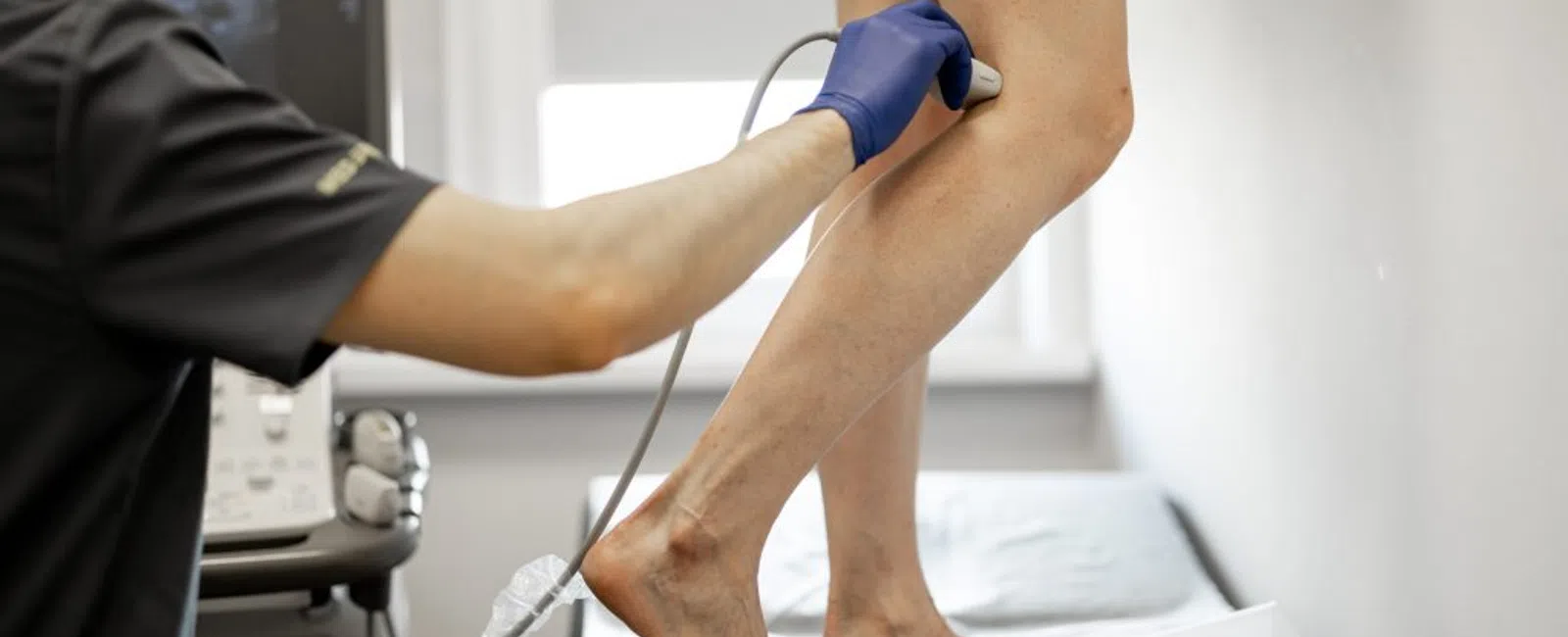
Is vein ablation painful? It's one of the first questions we get from people considering treatment—and it's a valid concern. Medical procedures can feel intimidating, especially if you've dealt with chronic leg pain, varicose veins, or disappointing healthcare experiences in the past. At Beltline Health, we believe in meeting you where you are, offering real answers, and making sure you're informed and supported every step of the way. The good news? Most patients say vein ablation is far easier and less painful than they ever expected.
What Is Vein Ablation and Is Vein Ablation Painful for Most Patients?
If you've been putting off vein treatment because you're worried it might hurt, you're not alone. One of the most common questions we hear at Beltline Health is: "Does vein ablation hurt?"
And it's a fair question. Because any medical procedure, no matter how small, can cause anxiety.
But here's the truth: for most patients, vein ablation feels like a few pinches at most. Some don't feel anything at all. That's not just coming from doctors. It's what our real patients tell us.
We recently saw a powerful thread in our Beltline Support Group where multiple patients shared their experiences.
From pre-op nerves to the moment they walked out the door. It was raw, honest, and incredibly helpful for others who are considering treatment.
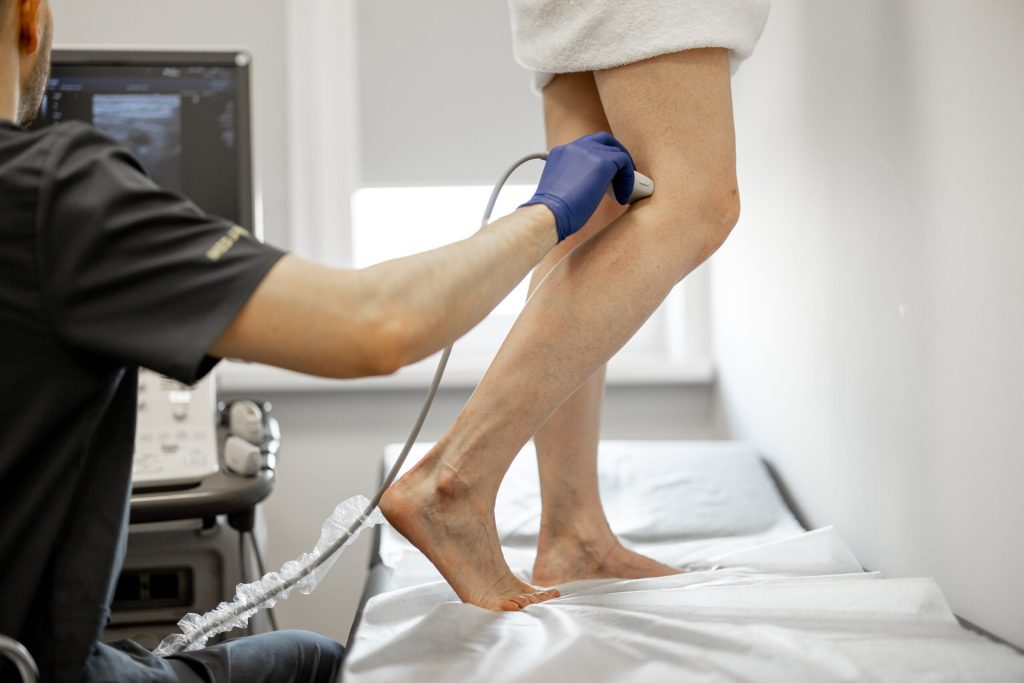
What Is Vein Ablation, and Why Do People Get It?
Vein ablation is a minimally invasive procedure designed to close off unhealthy veins—most commonly varicose veins—so that blood can reroute to healthier ones. At Beltline Health, we use two highly effective, FDA-approved options:
- Radiofrequency Ablation (ClosureFast) — This uses heat to seal off the problematic vein.
- Medical Adhesive (VenaSeal) — A medical-grade glue closes the vein with no heat involved.
These methods are far more comfortable and convenient than the outdated vein stripping surgeries of the past.
Patients typically seek treatment for:
- Chronic leg pain or heaviness
- Visible, bulging veins
- Skin discoloration or swelling
- Itching, aching, or burning in the legs
Left untreated, these symptoms can get worse. In some cases, they may even lead to blood clots or skin ulcers.
What Does Vein Ablation Feel Like? Patients Share If Vein Ablation Is Painful
So—what does it actually feel like to get vein ablation?
Here's what real patients told us:
🗣 Erica: "I only felt a few pinches. Second surgery was even easier once I took something to calm down."
📌 Doctor's note: This is common, when the body is relaxed, local anesthesia works better.
🗣 Roger: "I didn't feel a thing."
📌 Doctor's note: Many patients report zero discomfort due to the effectiveness of local anesthesia.
🗣 Norma: "The first two procedures were a 1 out of 10. I drove myself home after. The third one was a 3."
📌 Doctor's note: Some areas of the leg can be more sensitive.
🗣 Angie: "The first one did hurt a bit, but I was anxious and tense. The second was way easier."
📌 Doctor's note: Anxiety often heightens pain perception.
Across the board, most patients rated the pain between 1 and 3 on a 10-point scale. Some even felt nothing. What stood out most? The surprise. Many expected the procedure to be painful—and left saying it was far easier than they imagined.
How We Make Sure Vein Ablation Isn't Painful at Beltline Health
At Beltline, we don't just treat veins—we treat the whole patient experience.
Here's how we keep you comfortable:
Local Anesthesia
We numb the area so you won't feel pain—just light pressure.
Minimally Invasive Tools
No large incisions. Just a tiny puncture.
Real-Time Comfort Checks
You're awake, so we adjust instantly.
Calm, Supportive Environment
We walk you through every step.
Expert Technique
Our providers perform these procedures regularly.
What to Expect After Treatment
Most patients are surprised by how quickly they're back on their feet:
- Mild soreness or tightness
- Bruising or swelling
- Relief within hours
🗣 Erica: "After my first surgery, I could feel coolness flowing through my leg."
🗣 Norma: "I didn't take anything. Zero pain walking out."
Most return to normal activities within 1-2 days.
Tips from Patients: How to Make It Even Easier
✔ Take an approved anti-anxiety med
✔ Stretch or walk beforehand
✔ Ask questions
✔ Prepare a comfy recovery space
✔ Remember it's quick—under 45 minutes
Doctor's Perspective: Why This Procedure Feels So Easy
From a clinical standpoint, vein ablation is manageable because:
- Local anesthesia works fast
- No general anesthesia
- Minimal trauma
- Outpatient procedure
As Dr. Procter's team says: "This procedure is simple, targeted, and designed with comfort in mind."
Let's Talk About the Emotional Side
Fear is often bigger than pain.
Our team supports you emotionally, not just clinically.
You're not just a chart—you're a person we care about.
Final Thoughts: What Patients—and Doctors—Want You to Know
So, does vein ablation hurt?
Not much—and often not at all.
Relief afterward is what you'll remember.
You don't have to suffer with aching, swollen legs.
Ask questions. Come in for a consultation.
💧 Ask About IV Hydration Therapy: Helps with fatigue and healing.
Let's get your legs feeling better—and your life moving forward.
FAQs (Frequently Asked Questions)
Is vein ablation painful during the procedure?
Most patients say it feels like a few pinches or mild pressure.
How long does pain last after vein ablation?
Soreness or tightness usually resolves within a few days.
What if I have anxiety about the pain?
We can discuss anti-anxiety options and walk you through each step.
Is vein ablation more painful than vein stripping?
Not at all. Vein ablation is far less invasive and more comfortable.